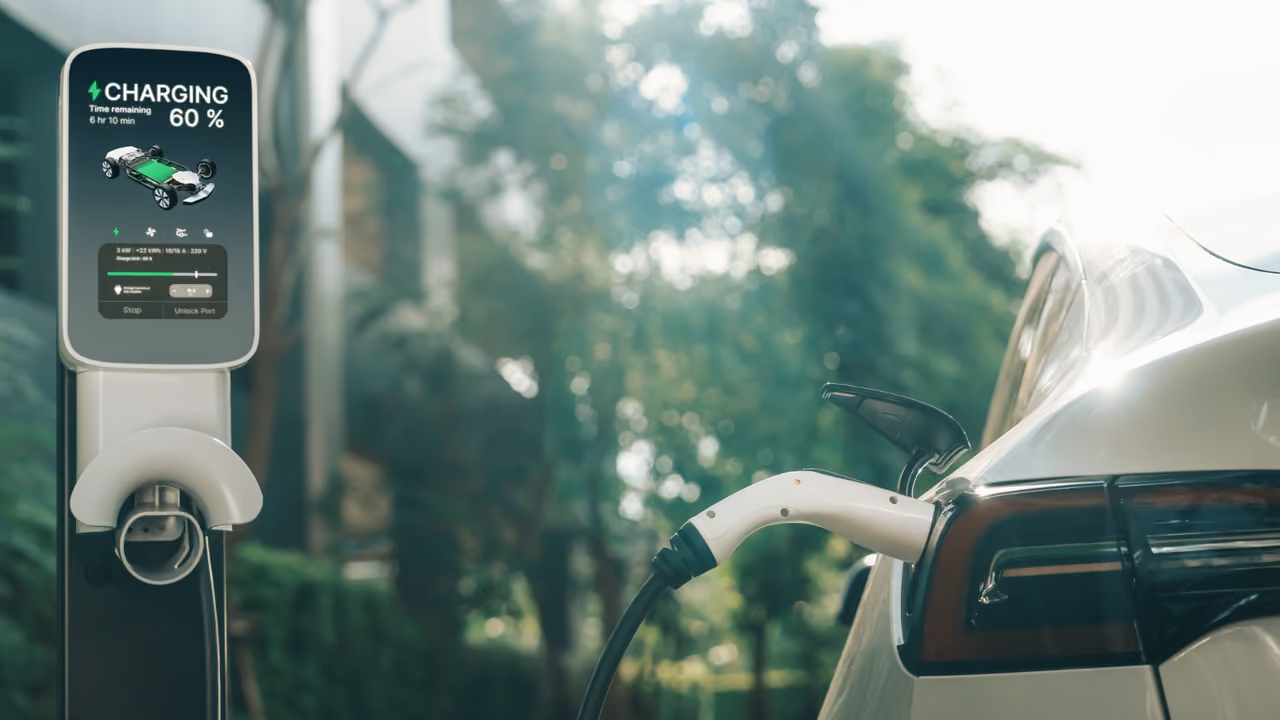
What happens when the quiet hum of electric cars replaces the roar of combustion engines in our city streets? As electric vehicles (EVs) gain traction worldwide, they’re not just transforming how we drive—they’re reshaping the very fabric of urban life.
The Rise of EV-Friendly Urban Designs
Urban planners are rethinking city layouts with electric cars in mind. Traditional neighborhoods, once built around gas stations and sprawling parking lots, are evolving into spaces that prioritize EV infrastructure and sustainable mobility. This shift means more than just adding charging points—it’s about redesigning streets, parking, and public areas to support a cleaner, more efficient urban experience.
New developments often include dedicated EV parking spots equipped with fast chargers. Residential complexes are integrating charging facilities into their design from the outset, recognizing that access to power is as crucial as access to roads. Even commercial zones are adapting, offering incentives for businesses that install green-friendly infrastructure.
Rethinking Public and Private Spaces
City planners are also converting underused spaces like curbside parking and alleys into EV charging hubs. The goal is to embed charging opportunities seamlessly into the urban landscape, reducing range anxiety and encouraging EV adoption. In some cities, this has led to creative solutions such as charging poles integrated into street lamps and curbside chargers disguised as public art installations.
Integration of Charging Stations into Public Spaces
The availability and visibility of charging stations in public areas are critical to the widespread acceptance of electric vehicles. Unlike gas stations that require large plots of land, EV chargers can be discreetly installed in a variety of locations, from shopping centers to parks.
- Shopping centers and malls: Many have installed multiple charging points, encouraging shoppers to plug in while they browse.
- Public parking garages: Retrofitting existing structures with chargers has become a priority in dense urban areas.
- Parks and recreational areas: Combining green spaces with EV charging reinforces the message of sustainability.
This integration not only supports EV drivers but also promotes an eco-friendly culture among city dwellers. The convenience of charging while running errands or relaxing in public spaces helps normalize electric car ownership.
Challenges and Innovations
However, integrating chargers into public spaces is not without challenges. Power grid upgrades are often necessary to handle the increased load, and cities must balance the needs of EV drivers with other public uses of space. To tackle these issues, some municipalities are turning to smart charging systems that optimize energy use during off-peak hours and utilize renewable energy sources where possible.
Impact on Traffic Patterns and Noise Pollution
Electric cars are already influencing how traffic flows through cities. Their instant torque and quiet operation encourage a shift toward more efficient driving habits and can reduce congestion in some scenarios.
Because EVs produce less noise, urban soundscapes are changing. The typical city cacophony—engine revs, gear shifts, and exhaust noise—is giving way to a gentler, more peaceful environment. This noise reduction has tangible benefits, including lower stress levels for residents and improved conditions for pedestrians and cyclists.
Traffic Management and EVs
Some cities are experimenting with EV-only lanes or zones to encourage adoption and reduce pollution hotspots. These initiatives can also influence peak traffic times, as drivers schedule trips around charging availability and incentives tied to off-peak travel.
Future Prospects Smart Cities Powered by Electric Vehicles
The future points toward cities where electric vehicles are more than just a mode of transport—they will be integral components of smart urban ecosystems. Connected EVs can communicate with traffic lights, parking systems, and even the power grid, creating a dynamic, responsive environment that maximizes efficiency and sustainability.
- Vehicle-to-grid (V2G) technology: Electric cars could act as mobile energy storage units, feeding electricity back to the grid during peak demand.
- Autonomous EV fleets: Self-driving electric cars and buses could reduce personal vehicle ownership, lowering congestion and emissions further.
- Integrated urban planning: Data from EVs will help city officials design better infrastructure and manage resources more effectively.
As cities invest in these smart systems, the synergy between electric vehicles and urban infrastructure will deepen, pushing us closer to a truly sustainable urban future.