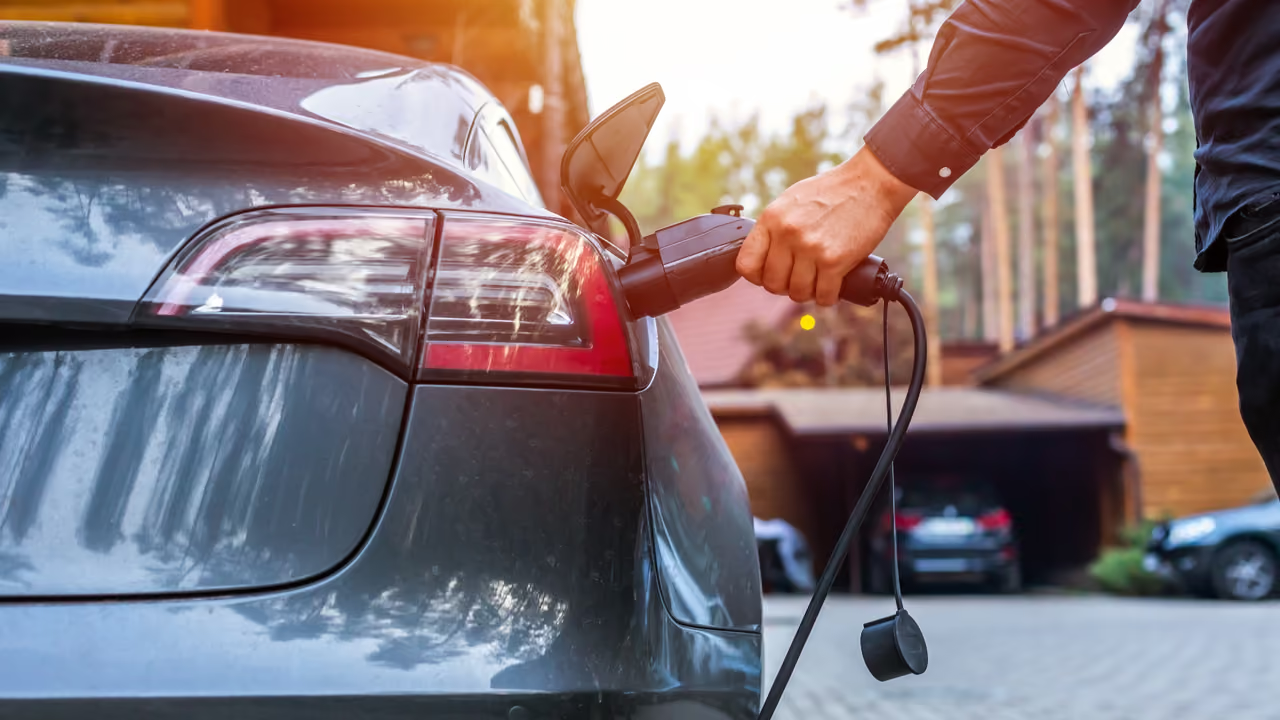
Can your home EV charging setup do more than just top off your battery? Many electric vehicle owners think of their home charger as a simple convenience—plug it in, and it charges. But with a few smart choices, your charging routine can become a powerful tool to cut energy use and trim your electricity bills.
Understanding Different Types of Home EV Chargers and Their Impact on Energy Consumption
Not all home EV chargers are created equal. The two main categories you’ll encounter are Level 1 and Level 2 chargers, each with distinct effects on energy consumption and charging time.
Level 1 Chargers
Level 1 chargers plug into a standard 120-volt household outlet and typically provide about 3 to 5 miles of range per hour of charging. They draw less power, but the slow charging means your car stays plugged in longer, which can be less efficient if your electricity rates vary throughout the day.
Level 2 Chargers
Level 2 chargers require a 240-volt outlet, much like what’s used for an electric dryer. They can deliver 10 to 60 miles of range per hour, depending on the unit and vehicle. While they consume more power at once, they charge your vehicle faster, reducing the time your car is drawing electricity.
Choosing between these depends on your driving habits, how much time you have to charge, and your home’s electrical setup. However, understanding how each type impacts your home’s energy load is key to optimizing your overall consumption.
How Scheduling and Smart Chargers Can Reduce Electricity Costs
Electricity prices aren’t static. Most utility companies use time-of-use (TOU) rates, charging more for electricity during peak hours and less during off-peak periods. This is where smart chargers and scheduling come into play.
- Smart Chargers: These devices connect to your Wi-Fi and allow you to program charging times or control charging remotely via an app. They can automatically start charging when rates drop.
- Scheduling: By setting your charger to operate primarily during off-peak hours—often late at night—you can leverage lower electricity prices, saving money without altering your driving routine.
Some smart chargers even integrate with your utility’s grid signals or weather forecasts to optimize charging times dynamically. This means your car charges when electricity is cheapest and when renewable energy is most abundant on the grid.
Integrating Renewable Energy Sources with Home EV Charging
Charging your EV with renewable energy isn’t just about installing solar panels; it’s about syncing your charging habits with when your home produces or uses clean energy.
Solar Power Integration
Many EV owners have solar panels, but without smart management, your car might charge during the night when your panels aren’t producing energy. Combining solar with a smart charger or battery storage system lets you use clean energy directly for your EV.
Home Energy Storage
Battery storage systems store excess solar energy generated during the day for use later—like charging your EV overnight. This reduces reliance on grid electricity and can significantly lower your carbon footprint.
By aligning your EV charging with peak solar production or stored renewable energy, you reduce grid demand and maximize the environmental benefits of your EV.
Practical Tips for Maintaining Your EV Charger for Optimal Performance
Keeping your charger in good shape ensures it operates efficiently and safely, which helps avoid energy waste and costly repairs.
- Regular Inspection: Check cables and connectors for wear, cracks, or damage. Damaged equipment can cause energy loss or safety hazards.
- Keep it Clean: Dust, dirt, and moisture can affect charging efficiency. Wipe down the charger and keep the area around it clear.
- Update Firmware: Many smart chargers receive software updates that improve energy management and add features. Keep your device’s firmware current.
- Professional Servicing: Have a licensed electrician inspect your charging station periodically, especially if you notice inconsistent charging or unusual noises.
Maintaining your charging setup isn’t just about reliability—it’s about ensuring the system uses energy as efficiently as possible, saving you money over the long run.