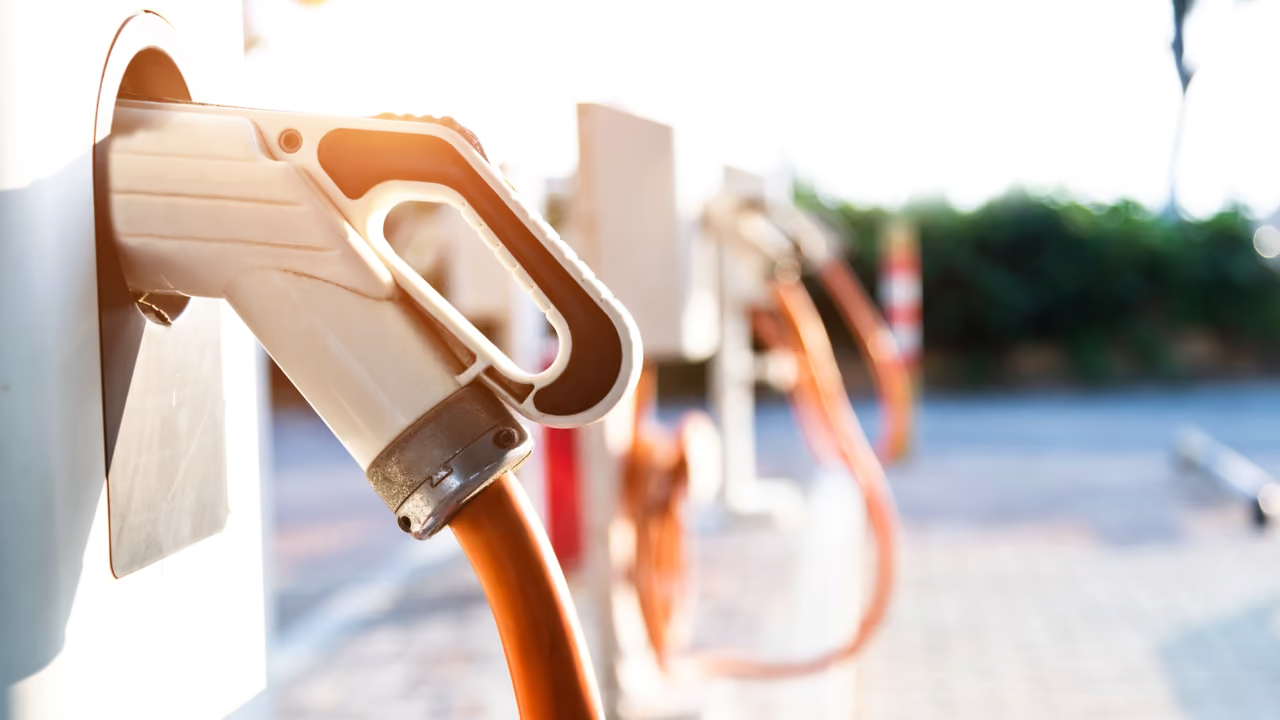
Have you ever stopped to wonder what environmental cost lies behind the convenience of plugging in your electric vehicle (EV)? We often celebrate EVs as a green alternative to gas-powered cars, but the charging infrastructure itself carries an environmental footprint that deserves closer scrutiny.
The Hidden Carbon Footprint of EV Chargers
When we think about emissions tied to electric vehicles, the focus usually lands on battery production or the electricity source. Yet, the manufacturing, installation, and maintenance of EV chargers are energy-intensive processes that add up.
EV chargers require raw materials like copper, aluminum, and rare earth elements. Mining and processing these materials contribute to greenhouse gas emissions and environmental degradation. Additionally, the production of the electronic components, circuit boards, and casings involves energy use and chemical processes that leave a carbon footprint behind.
Installation of charging stations demands construction work, often including concrete and steel for mounting poles and protective structures. These materials themselves have high embodied carbon. Maintenance activities such as software updates, hardware repairs, and even eventual disposal or recycling of chargers further contribute to the environmental cost.
Comparing Charging Methods Fast vs Slow Charging Emissions
Not all EV charging is created equal. The method of charging—fast or slow—has implications for energy efficiency and emissions.
- Fast Charging: These DC fast chargers deliver high power to rapidly replenish your battery in 20 to 40 minutes. However, they operate at high currents that generate heat, leading to energy losses. The cooling systems used also consume additional power. Fast chargers often demand upgrades to local grid infrastructure, which can mean increased emissions during the installation phase.
- Slow Charging: Level 2 chargers, often used at home or workplaces, deliver power over several hours. They tend to be more efficient because they operate at lower currents and generate less heat. The extended charging time allows better grid load management, potentially integrating renewable energy more effectively.
In terms of emissions, fast charging may have a higher carbon footprint per charge cycle due to inefficiencies and infrastructure demands. That said, the real-world impact depends heavily on the source of electricity and how the grid manages the load.
Innovations to Reduce Environmental Impact of Charging Stations
Thankfully, the industry is moving beyond just scaling up the number of chargers. Key innovations aim to shrink the environmental impact of EV charging infrastructure:
- Renewable Energy Integration: Some charging stations are now equipped with solar panels or wind turbines, directly powering chargers with clean energy. This reduces reliance on fossil-fueled grids and cuts emissions associated with electricity delivery.
- Energy Storage Systems: Battery storage integrated with chargers can store off-peak renewable energy and release it during high demand, reducing strain on the grid and improving efficiency.
- Smart Charging Technology: Intelligent charging systems optimize energy use by scheduling charging during periods of low grid demand or high renewable energy availability. They also balance load to avoid costly infrastructure upgrades.
- Material Innovations: Researchers are exploring eco-friendly materials and modular designs for chargers that simplify repairs and recycling, lowering the environmental footprint over the device’s lifecycle.
How Consumer Choices Affect the Overall Sustainability of EV Charging
Your decisions as an EV owner can influence the environmental toll of charging far more than you might realize.
- Where You Charge Matters: Charging at home using a green energy provider or installing solar panels makes a significant difference. Public fast chargers often rely on grid power with varying renewable energy percentages.
- Charging Timing: Plugging in during off-peak hours or when renewable energy supply is high helps reduce emissions. Many utilities offer time-of-use rates encouraging this behavior.
- Charging Habits: Avoiding unnecessary fast charging and favoring slower, overnight charging not only preserves battery life but reduces energy loss and emissions.
- Supporting Sustainable Infrastructure: Choosing to frequent charging networks that invest in renewable energy or green innovations supports wider adoption of environmentally responsible practices.
Ultimately, while EVs themselves promise cleaner transportation, the environmental story extends into the grid, the chargers, and how we interact with them. Paying attention to these factors helps ensure the electric future is truly green.