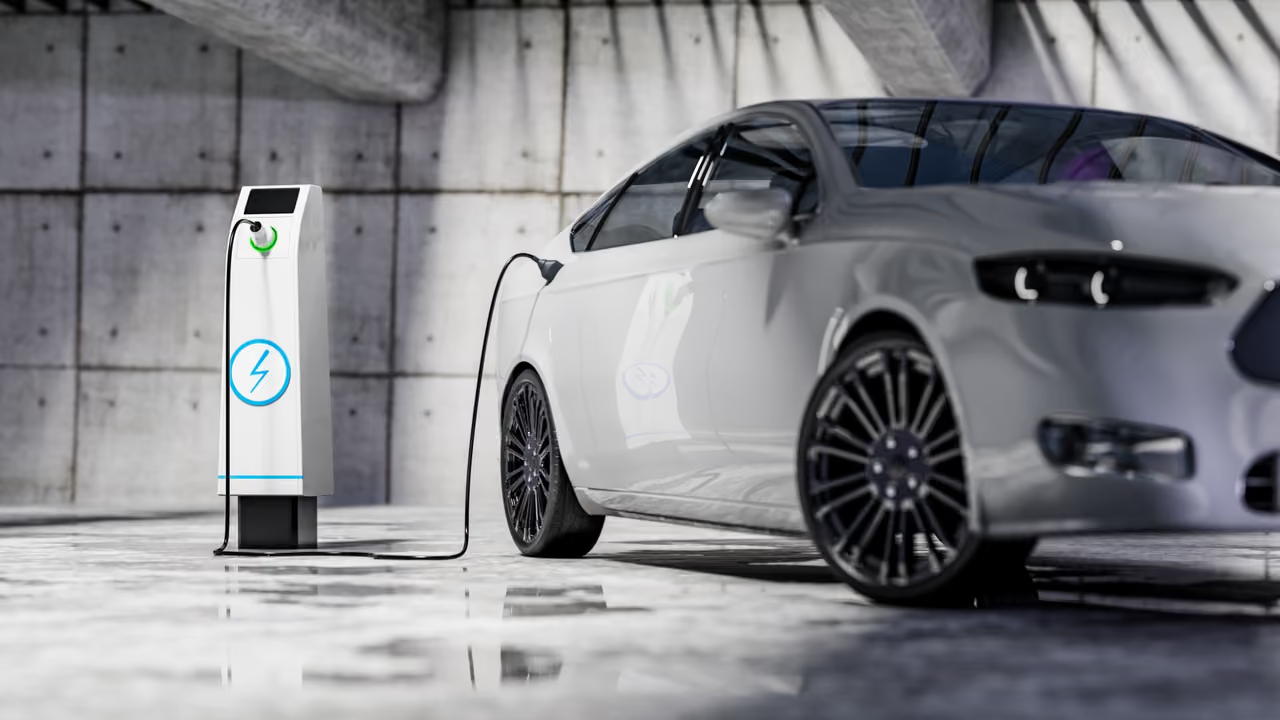
Electric cars are no longer just a niche market or a futuristic concept. They have become a central piece in the global puzzle to combat climate change. As governments around the world tighten climate policies, these regulations are not only accelerating the adoption of electric vehicles (EVs) but also directly influencing their design and technology.
Global Regulatory Trends Influencing EV Technology
Climate policies vary by region but share a common goal: reducing greenhouse gas emissions. The European Union, China, and California are among the leaders pushing strict emissions standards and ambitious targets for EV adoption. These policies don’t just encourage switching from internal combustion engines to electric—they shape the very technology behind the cars.
For example, the EU’s “Fit for 55” package aims to cut emissions by 55% by 2030, pushing automakers to deliver zero-emission vehicles at scale. China’s New Energy Vehicle (NEV) mandates require a minimum percentage of new car sales to be electric or plug-in hybrids, forcing manufacturers to innovate rapidly. Meanwhile, California’s Advanced Clean Cars program sets stringent tailpipe emission standards, effectively phasing out gasoline vehicles over the next two decades.
These regulations create a landscape where automakers prioritize EV development not just to meet consumer demand but to comply with legal requirements. This means increased investment in battery technology, charging infrastructure, and vehicle efficiency.
How Emission Standards Impact Battery Design and Range
Emission standards are the invisible hands guiding battery innovation. A car’s range and performance are critical for consumer acceptance, but they also need to fit within the framework of regulatory limits on emissions and environmental impact.
One clear impact is the push for batteries with higher energy density. Automakers want to extend the range without significantly increasing battery size or weight, which would reduce efficiency and increase materials consumption. Regulatory pressure to reduce the carbon footprint of battery production itself also drives research into using less cobalt, improving recycling, and sourcing materials more sustainably.
Range anxiety remains a concern, especially in regions without robust charging networks. Climate policies that mandate zero-emission zones or restrict the use of fossil fuel vehicles within cities increase the need for EVs with longer ranges and faster charging capabilities. This, in turn, influences battery chemistry choices and thermal management systems.
Incentives and Penalties Driving Consumer Choices
Governments use carrots and sticks to steer buyers toward electric. Financial incentives like tax credits, rebates, and exemptions from tolls or congestion charges make EVs more attractive. Norway’s aggressive incentive program has made it the world leader in EV market share, with electric cars accounting for more than 80% of new sales.
On the flip side, penalties such as higher taxes on gasoline cars, low emission zones, or outright bans on internal combustion engines are becoming common. These policies raise the cost of owning and operating a fossil fuel vehicle, nudging consumers toward electric alternatives.
Importantly, incentives often shape the kind of EVs consumers buy. Subsidies targeting affordable models can democratize access, while those favoring luxury or high-performance EVs push technological boundaries. Policies also influence fleet electrification—governments require public and commercial fleets to adopt electric vehicles, increasing demand and guiding design priorities toward durability and total cost of ownership.
Future Outlook Adapting EVs to Stricter Environmental Goals
Looking ahead, climate policies will only become more demanding. Net-zero commitments by major economies mean EVs must evolve beyond just being zero tailpipe emission vehicles. Life-cycle emissions, including manufacturing, supply chains, and end-of-life disposal, will come under scrutiny.
We can expect stricter regulations on battery sourcing, recycling mandates, and new standards for energy efficiency. Automakers will likely focus on modular designs to simplify upgrades and repairs, extending vehicle lifespan and reducing waste.
Moreover, integration with renewable energy grids and vehicle-to-grid technologies will become crucial as policymakers push for a cleaner overall energy system. EVs won’t just be cars; they’ll be mobile energy storage units helping balance electricity demand and supply.
Finally, as urban areas tighten restrictions on all fossil fuel vehicles, EVs will need to adapt to diverse environments—from compact city cars optimized for shared mobility to rugged electric trucks meeting heavy-duty work demands. Climate policies will continue to shape this spectrum, ensuring that the EV revolution aligns with broader sustainability goals.