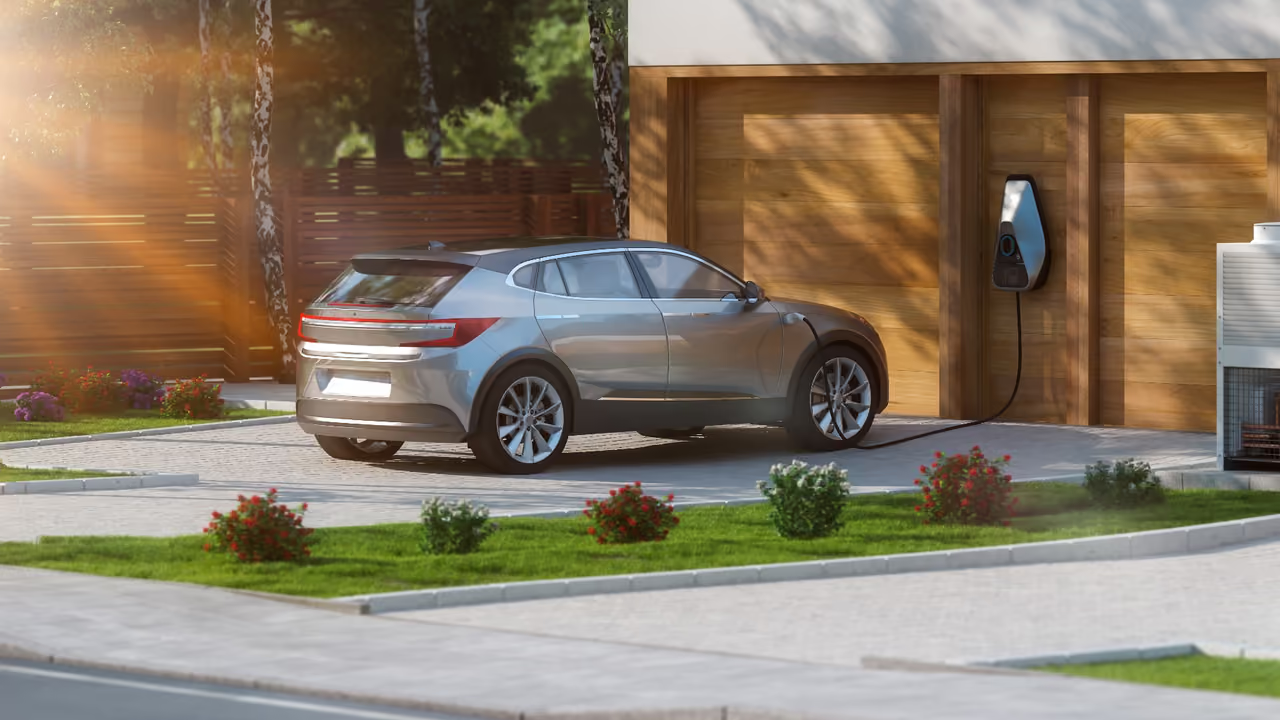
In many cities around the world, the quiet hum of electric cars is becoming as common as the honk of traditional engines once was. This shift isn’t just about cleaner air or the latest tech trend; it’s reshaping how urban spaces are designed, how infrastructure is planned, and how cities function on a fundamental level.
The Rise of Electric Vehicles and Urban Growth
Electric vehicles (EVs) have surged in popularity, driven by environmental concerns, government incentives, and advances in battery technology. As urban populations grow, so does the demand for efficient, sustainable transportation options. EVs fit neatly into this puzzle, promising reduced emissions and quieter streets. However, their rise is not just a matter of swapping one type of car for another. It forces cities to rethink mobility and urban design on a larger scale.
Urban growth has historically been tied to the infrastructure available, especially roads and fuel stations. Now, with EVs, the infrastructure challenge shifts towards electricity supply and charging points. The urban landscape must evolve to support this new mode of transport, influencing everything from parking policies to energy grids.
Challenges for City Infrastructure
One of the biggest hurdles cities face is how to provide widespread, reliable charging facilities. Unlike gasoline stations, which are centralized and relatively few, EV charging stations need to be more dispersed and accessible. This is particularly tricky in dense urban areas where space is limited.
Moreover, the electrical grid itself often struggles to keep up with the additional load. Many cities have aging infrastructure that wasn’t designed for the demand that thousands of EVs simultaneously charging could place on it. Without upgrades, power outages or inefficient charging cycles could become common problems.
Another challenge is equity. Not everyone lives in a single-family home with a private garage where they can install a charger. Apartment dwellers and lower-income residents risk being left behind unless cities plan for accessible public charging options that don’t require private property ownership.
Innovative Urban Planning Solutions for EV Integration
Urban planners are experimenting with creative solutions to integrate EVs smoothly into city life. Here are some approaches gaining traction:
- Smart Charging Infrastructure: Cities are deploying smart charging stations that can communicate with the grid and adjust charging times to off-peak hours, reducing strain on the electrical system.
- Multi-Use Street Furniture: Street lamps and parking meters are being equipped with charging points, turning existing infrastructure into dual-purpose assets.
- Dedicated EV Zones: Some cities designate specific areas with higher concentrations of charging stations and priority parking for EVs, encouraging adoption and ensuring convenience.
- Integration with Renewable Energy: Charging stations powered by solar panels or connected to wind farms help ensure that the electric cars are truly sustainable, reducing the carbon footprint of the entire transportation ecosystem.
- Incentivizing Private Sector Participation: Public-private partnerships are crucial. For example, some cities encourage businesses to install chargers in their parking lots by offering tax breaks or subsidies.
These innovations not only support EV adoption but also reshape public spaces, making streets more pedestrian-friendly and reducing noise pollution.
The Future of Sustainable Cities with Electric Vehicles
The integration of electric vehicles into urban environments is more than a technical challenge; it’s a cultural shift. Urban planners are beginning to envision cities where EVs are part of a broader sustainable mobility ecosystem, including public transit, cycling, and walking.
Future city layouts may prioritize EV-friendly infrastructure, such as widespread wireless charging embedded in roads or parking spaces. This could eliminate the need for plug-in chargers altogether, making charging seamless and convenient.
Moreover, EVs combined with autonomous driving technology could transform vehicle ownership models, reducing the number of cars needed and freeing up space currently devoted to parking. This reclaimed space can be repurposed for green areas, housing, or community spaces, improving urban livability.
In essence, electric vehicles are not just changing how we drive—they are influencing how cities grow, breathe, and connect. The silent revolution on wheels is quietly reshaping the urban fabric for generations to come.