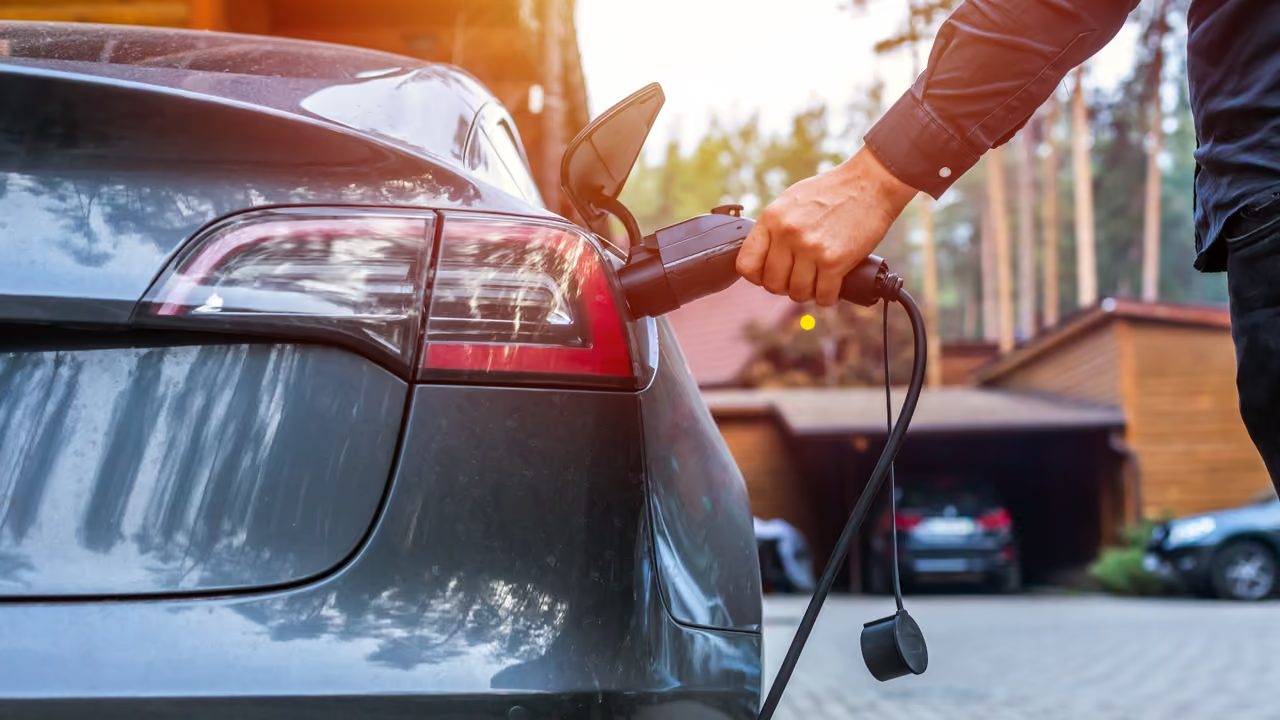
How can smart grids transform the way we charge electric vehicles, making the process more efficient and cost-effective?
Understanding Smart Grid Technology and Its Connection to EV Charging
Smart grid technology refers to an advanced electrical grid system that uses digital communication and automation to manage electricity efficiently. Unlike traditional grids, smart grids can monitor, predict, and respond to energy demand in real time. This capability is particularly important for electric vehicle (EV) charging, which introduces variable and often unpredictable loads on the power system.
EV charging stations, when integrated with smart grids, become much more than simple outlets. They act as interactive nodes capable of adjusting charging speeds, timing, and energy sources based on grid conditions, electricity prices, and user preferences. This dynamic interaction holds the key to optimizing both the efficiency and cost of EV charging.
Benefits of Integrating EV Charging with Smart Grids
Connecting EV charging stations to smart grids offers several clear advantages:
- Load Balancing and Peak Shaving: Smart grids can distribute charging demand intelligently, preventing spikes in electricity usage during peak hours. This reduces strain on the grid and helps avoid costly infrastructure upgrades.
- Cost Savings for Consumers: By enabling time-of-use pricing and demand response programs, smart grids allow EV owners to charge their vehicles when electricity rates are lowest. This flexibility can significantly reduce the cost of charging.
- Integration of Renewable Energy: Smart grids facilitate the use of solar, wind, and other renewable sources for EV charging by matching charging times with periods of high renewable generation, thus decreasing reliance on fossil fuels.
- Enhanced Grid Stability: EVs can act as distributed energy resources through vehicle-to-grid (V2G) technology, feeding electricity back to the grid during high demand and improving overall stability.
- Improved User Experience: Smart charging systems can communicate with drivers via apps, providing real-time updates on charging status, costs, and optimal charging schedules.
Challenges and Solutions in Implementing Smart Grid EV Charging
Despite the benefits, integrating EV charging with smart grids faces several hurdles:
- Infrastructure Costs: Upgrading existing electrical grids and installing smart EV chargers requires significant investment. Governments and utilities are exploring subsidies, incentives, and public-private partnerships to ease this burden.
- Interoperability and Standards: The lack of universal communication protocols between EVs, chargers, and grid operators complicates integration. Organizations like the Open Charge Alliance are working to establish open standards that promote compatibility across devices and systems.
- Data Privacy and Security: Smart grids rely on extensive data exchange, raising concerns about user privacy and cybersecurity. Strong encryption, anonymization techniques, and regulatory frameworks are essential to protect consumers.
- Consumer Awareness and Behavior: For smart charging to be effective, EV owners need to understand and participate in demand response programs. Educational campaigns and user-friendly interfaces can encourage adoption.
- Grid Capacity and Management: In regions with high EV penetration, the cumulative charging demand can challenge grid capacity. Advanced forecasting tools and flexible energy management systems help utilities plan and respond proactively.
Future Outlook How Smart Grids Could Revolutionize EV Charging Infrastructure
The future of EV charging is deeply intertwined with the evolution of smart grids. As technology advances, we can expect several transformative trends:
- Widespread Deployment of V2G Technology: EVs will increasingly serve as mobile energy storage units, not only meeting their own charging needs but also supporting grid resilience during peak demand or outages.
- AI-Driven Energy Management: Artificial intelligence will optimize charging schedules by analyzing vast datasets of user habits, weather forecasts, and grid conditions, maximizing efficiency and minimizing costs automatically.
- Seamless Integration with Renewable Energy: Smart grids will synchronize EV charging with renewable energy production, making EVs a crucial component in achieving carbon neutrality targets.
- Decentralized Energy Markets: With blockchain and peer-to-peer energy trading, EV owners could buy and sell electricity directly, fostering a more democratized and efficient energy ecosystem.
- Enhanced Public Charging Networks: Smart grid integration will enable public charging stations to offer dynamic pricing and priority access based on real-time grid needs, improving utilization and reducing congestion.
Smart grid technology promises to reshape the EV charging experience into a smarter, greener, and more connected system. As both industries mature, their synergy will be crucial in supporting the global transition to sustainable transportation.