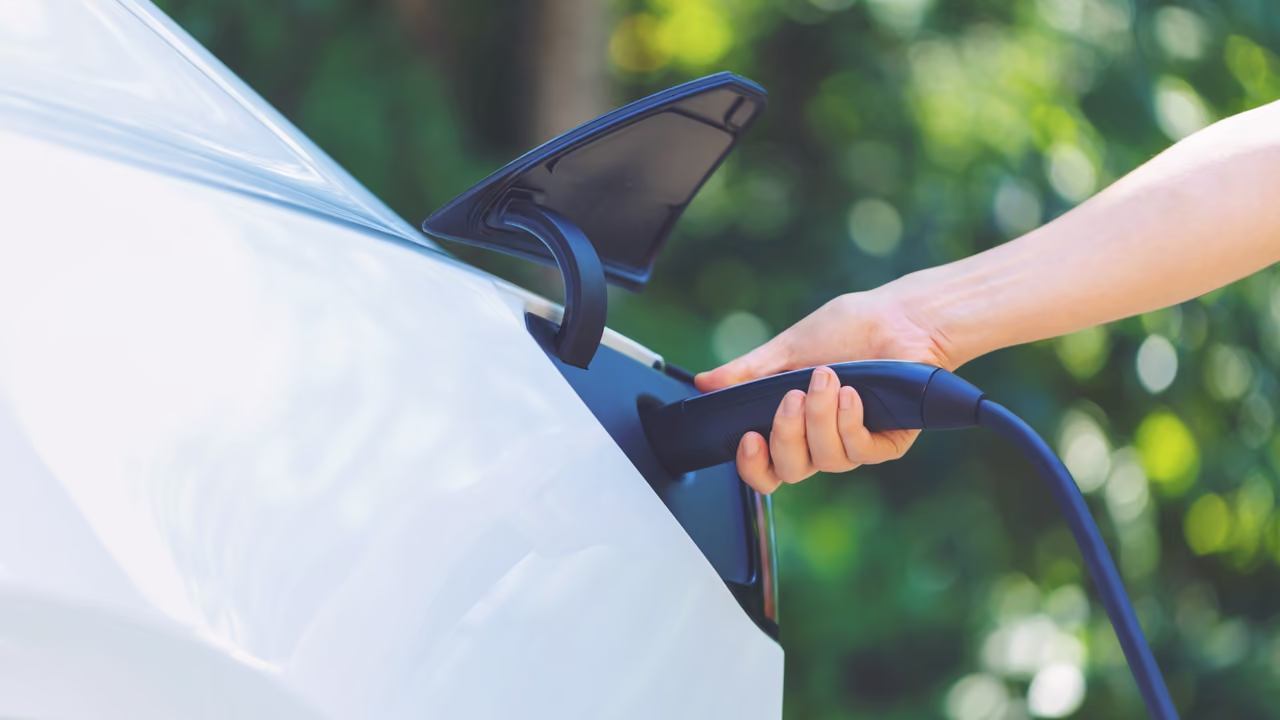
How crucial is public EV charging infrastructure in convincing city dwellers to switch to electric vehicles? As urban areas worldwide push for cleaner transportation, the availability and convenience of public charging points have emerged as decisive factors for potential electric vehicle (EV) owners.
Current Challenges Faced by Urban EV Drivers Seeking Public Chargers
Living in a city presents unique hurdles for EV owners. Unlike suburban or rural EV drivers who often have access to private garages or driveways, urban residents frequently depend on public charging for their daily needs. Here are some of the main obstacles they encounter:
- Limited Availability – Many cities still have a sparse distribution of public charging stations. This scarcity leads to competition, with chargers often occupied or out of service.
- Parking Restrictions – In dense urban settings, parking spots designated for EV charging are at a premium. Non-EV vehicles sometimes misuse these spaces, and strict enforcement is inconsistent.
- Charging Speed – While fast chargers exist, many public stations offer only slow or medium-speed charging, which can be impractical for drivers needing a quick turnaround.
- Accessibility Issues – Chargers can be located in hard-to-reach areas, poorly lit spots, or places without clear signage, deterring usage especially during off-peak hours.
- Cost Variability – Pricing models for public charging vary widely, sometimes with confusing or high fees, which can discourage regular use.
Innovative Public Charging Solutions Tailored for City Environments
Urban planners and private companies are experimenting with creative approaches to overcome these challenges and make EV charging more user-friendly in cities.
Charging Hubs and Micro-Networks
Instead of isolated chargers, some cities are developing centralized charging hubs that cluster multiple fast chargers together. These hubs can serve fleets and private EV owners alike, offering amenities and real-time availability updates.
On-Street Charging Integration
Embedding chargers directly into curbside parking spots has transformed ordinary street parking into EV-friendly zones. This approach maximizes existing infrastructure without requiring additional land.
Smart Charging and Reservations
Mobile apps now allow drivers to reserve charging slots in advance, reducing wait times and frustration. Smart chargers adapt power delivery based on grid demand and the vehicle’s needs, improving efficiency.
Wireless and Inductive Charging
Though still emerging, wireless charging pads installed in parking spots promise a cable-free experience. This technology suits urban areas where convenience is paramount.
Solar-Powered and Green Chargers
To align with sustainability goals, some public stations use solar panels or other renewable energy sources, reducing the environmental impact of charging infrastructure.
Impact of Accessible Public Charging on Urban EV Ownership Rates
The presence of reliable and convenient public charging has a direct correlation with EV adoption in cities. Studies and real-world data reveal several effects:
- Increased Confidence – Potential buyers feel reassured knowing they can easily charge away from home, which is especially important for those without private parking.
- Reduced Range Anxiety – A dense network of chargers alleviates fears about running out of battery, encouraging more frequent and longer trips.
- Boost in EV Diversity – Accessible charging supports a broader range of EV models, including those with smaller batteries and lower price points.
- Improved Equity – Public charging infrastructure helps ensure that lower-income urban residents, who might not afford home chargers, still have access to EV technology.
Some cities that have invested heavily in public charging have seen EV ownership rates rise faster than national averages, proving the infrastructure’s crucial role.
Future Trends in Public Charging Infrastructure Development
The evolution of public EV charging will likely accelerate as technology and policy advance:
- Ultra-Fast Charging Networks – Expect widespread deployment of chargers delivering 150 kW or more, enabling 80% charge in under 20 minutes.
- Vehicle-to-Grid Integration – EVs will increasingly serve as mobile energy storage, feeding power back to the grid during peak demand via advanced chargers.
- Expanded Integration with Urban Mobility – Public charging stations will become part of multimodal transport hubs, linking EV use with public transit and bike-sharing.
- Data-Driven Infrastructure Planning – Cities will leverage usage data and AI to optimize charger placement and maintenance, maximizing accessibility and uptime.
- Policy-Driven Incentives – Local governments are likely to impose stricter regulations on parking enforcement, pricing transparency, and minimum charging coverage requirements.
Urban EV drivers will see charging become more seamless, affordable, and integrated into daily life as these trends unfold, further propelling electric mobility forward.