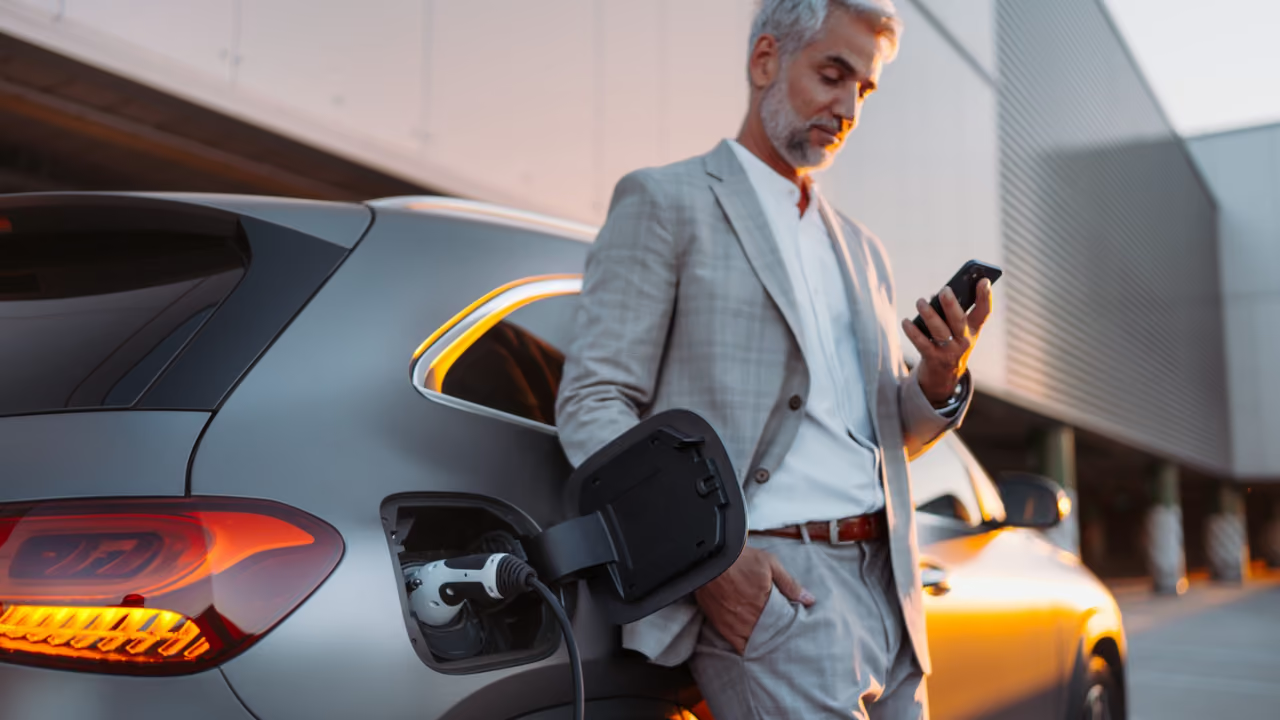
Are second-hand electric cars the secret weapon in accelerating the shift to cleaner transportation? As electric vehicles (EVs) become more common on roads worldwide, the market for used EVs is also expanding rapidly, reshaping how consumers access this technology and how the environment benefits from it.
Growth of the Second-Hand Electric Vehicle Market
Over the past few years, the second-hand electric vehicle market has seen remarkable growth. In many regions, used EV sales have outpaced new EV sales, signaling a shift in consumer behavior. For instance, in Europe, used EV registrations surged by over 40% in 2023 compared to the previous year. Similarly, in the United States, more affordable models like the Nissan Leaf and Chevrolet Bolt have flooded the used market, making EVs accessible to a broader demographic.
This boom is driven by several factors. First, the initial wave of EVs purchased during the past decade has started to enter their resale phase. As these vehicles come off lease or owners decide to upgrade, a growing inventory of used EVs becomes available. Second, rising new car prices and interest in sustainable transport push buyers toward more affordable used options. Third, improvements in battery technology and longer warranties have alleviated many concerns about reliability, encouraging more buyers to consider second-hand EVs.
Challenges and Opportunities in Buying Used EVs
Buying a used electric car isn’t without its pitfalls, but many of these challenges are becoming easier to navigate as the market matures.
- Battery Health and Longevity: The biggest concern for used EV buyers has traditionally been battery degradation. Unlike gasoline engines, EV batteries lose capacity over time, impacting range. However, advancements in battery management systems and clearer battery health diagnostics now allow buyers to make more informed decisions. Some manufacturers offer transferable battery warranties, which further reduce the risk.
- Charging Compatibility: Early EV models often came with limited charging options. Buyers need to check if their local charging infrastructure supports the vehicle’s charging standards. Thankfully, the industry is moving towards standardization, and fast-charging networks are expanding rapidly.
- Price Volatility: The used EV market can be volatile, with prices fluctuating based on incentives, new model releases, and technological breakthroughs. Savvy buyers who time their purchase well can find excellent deals.
On the opportunity side, used EVs offer a more affordable entry point into electric driving. They eliminate the steep depreciation new EV owners face and allow more people to reduce their carbon footprint without breaking the bank. Additionally, buying used supports a circular economy, reducing demand for raw materials needed for new battery production.
Environmental Benefits of Extending EV Lifecycle Through Resale
Extending the life of electric vehicles through resale is a significant environmental win. Manufacturing EVs, particularly their batteries, is resource-intensive and generates substantial emissions. By keeping EVs on the road longer, we spread those embedded emissions over more years and miles, effectively reducing the vehicle’s overall carbon footprint.
Moreover, a robust second-hand EV market reduces the pressure to produce new vehicles constantly, which in turn lowers raw material extraction. Lithium, cobalt, and nickel mining have well-documented environmental and social impacts, so minimizing demand through longer vehicle lifecycles is crucial.
Used EVs also make electric driving accessible to more people, increasing the number of zero-emission vehicles on the road. Even if a used EV has somewhat reduced range, it still produces fewer emissions per mile than a comparable gasoline car. Broad adoption through resale can accelerate the transition away from fossil fuels faster than relying solely on new EV sales.
Future Outlook Policies and Innovations Supporting the Used EV Market
Governments and industries recognize the importance of the second-hand EV market and are introducing policies and innovations to support it.
- Incentives for Used EV Purchases: Some countries have started offering subsidies or tax breaks specifically for used electric vehicles. These incentives lower the financial barrier for buyers and encourage the uptake of older EV models.
- Battery Certification and Transparency: Emerging standards require detailed reporting on battery condition and performance when selling used EVs. This transparency builds buyer confidence and helps streamline resale transactions.
- Vehicle-to-Grid Technology: Innovations like vehicle-to-grid (V2G) allow used EVs to contribute to energy grid stability, adding value to ownership and potentially reducing operating costs. This technology could increase demand for used EVs as energy assets, not just transportation tools.
- Improved Recycling and Second-Life Batteries: Policies are encouraging the reuse and recycling of EV batteries, allowing them to serve in energy storage after their automotive life ends. This circular approach complements the extended vehicle lifecycle and strengthens environmental benefits.
With these developments, the used EV market is poised to become a cornerstone of sustainable mobility. As technology continues to improve and policies catch up, buying a second-hand electric car will become an even more attractive and responsible choice for consumers worldwide.