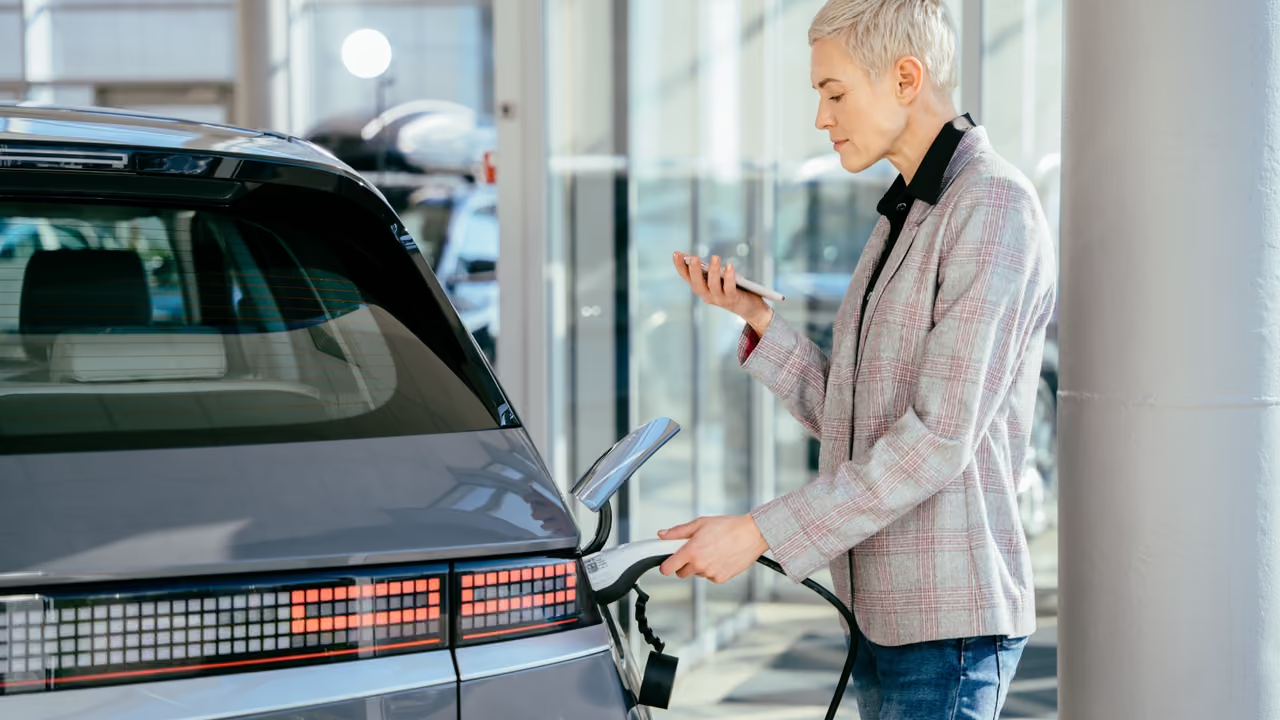
Look around any city street or suburban driveway today, and you’ll notice electric cars quietly reshaping more than just how we get from point A to point B. These vehicles are no longer just a green alternative to gas guzzlers; they are becoming catalysts for innovation across energy, technology, and urban design. The ripple effects of electric cars extend far beyond transportation, touching on how we store energy, manage power grids, charge our devices, and plan our cities.
Electric Cars as Mobile Energy Storage Units
What if your car could do more than drive you around? Electric vehicles (EVs) are essentially large batteries on wheels, capable of storing significant amounts of electrical energy. This feature transforms them into mobile energy storage units that can interact with the power grid in dynamic ways.
The ability of EVs to hold energy means they can serve as backup power sources during outages or feed electricity back into the grid during peak demand periods. This vehicle-to-grid (V2G) technology is gaining traction as a practical way to balance energy supply and demand, especially as renewable energy sources like solar and wind become more common but less predictable.
Imagine your car charging up during the day using excess solar power generated by your home’s rooftop panels, then supplying that stored energy back to your home or the grid in the evening when the sun sets. This bidirectional flow of energy not only optimizes grid efficiency but also provides EV owners with potential financial incentives.
Integration of EVs with Renewable Energy Grids
The rise of electric cars dovetails perfectly with the shift toward renewable energy. As the grid incorporates more solar and wind power, balancing the intermittent nature of these sources becomes a major challenge. EVs, with their distributed storage capacity, offer a flexible solution.
Utilities and tech companies are experimenting with programs that coordinate EV charging to align with periods of high renewable generation. For example, smart grids can signal vehicles to charge when the wind blows hardest or the sun shines brightest, reducing reliance on fossil-fueled backup plants. This integration enhances the overall sustainability of power systems and accelerates the decarbonization of transportation and electricity sectors simultaneously.
Furthermore, communities are exploring microgrids where EVs play a central role in storing and distributing locally generated renewable energy. This decentralization strengthens grid resilience and empowers consumers to participate actively in energy markets.
Advancements in Smart Charging Technologies
Charging an electric vehicle is no longer a simple plug-and-go affair. The industry is racing to develop smarter, faster, and more efficient charging technologies that improve user experience and grid interaction.
Smart chargers can communicate with the grid and the vehicle to optimize charging times and speeds. They adjust power delivery based on electricity prices, grid load, and even personal preferences, such as ensuring a car is fully charged before a morning commute.
Wireless charging pads and ultra-fast chargers are starting to appear in public spaces, making EV ownership more convenient and accessible. Meanwhile, vehicle-to-home (V2H) charging enables cars to power household appliances during blackouts or peak price periods, turning homes into flexible energy hubs.
These innovations are reducing “range anxiety” and making EVs more appealing to a broader audience, while also smoothing out the challenges of integrating millions of vehicles into existing power infrastructure.
Impact on Urban Planning and Infrastructure
Electric cars are prompting cities to rethink more than just road design. Urban planners and policymakers are adapting infrastructure, zoning, and public spaces to accommodate a future dominated by electric mobility.
Charging stations are becoming as essential as gas stations once were, but their placement is more complex. Cities must consider residential, commercial, and public areas to ensure equitable access. This has led to the growth of multi-use charging hubs that also incorporate amenities like retail or public seating.
Moreover, the quieter, cleaner operation of EVs allows cities to envision new uses for streets and parking areas. Some are converting former parking lots into green spaces or community centers, enabled by reduced urban pollution and noise.
EVs also influence public transit planning, with electric buses and shared autonomous vehicles reshaping how people move within cities. These changes reduce the need for personal car ownership and encourage more sustainable urban mobility models.
Finally, the demand for robust electrical infrastructure in urban areas is driving upgrades to power distribution networks and encouraging investment in smart city technologies that monitor and optimize energy and traffic flows.