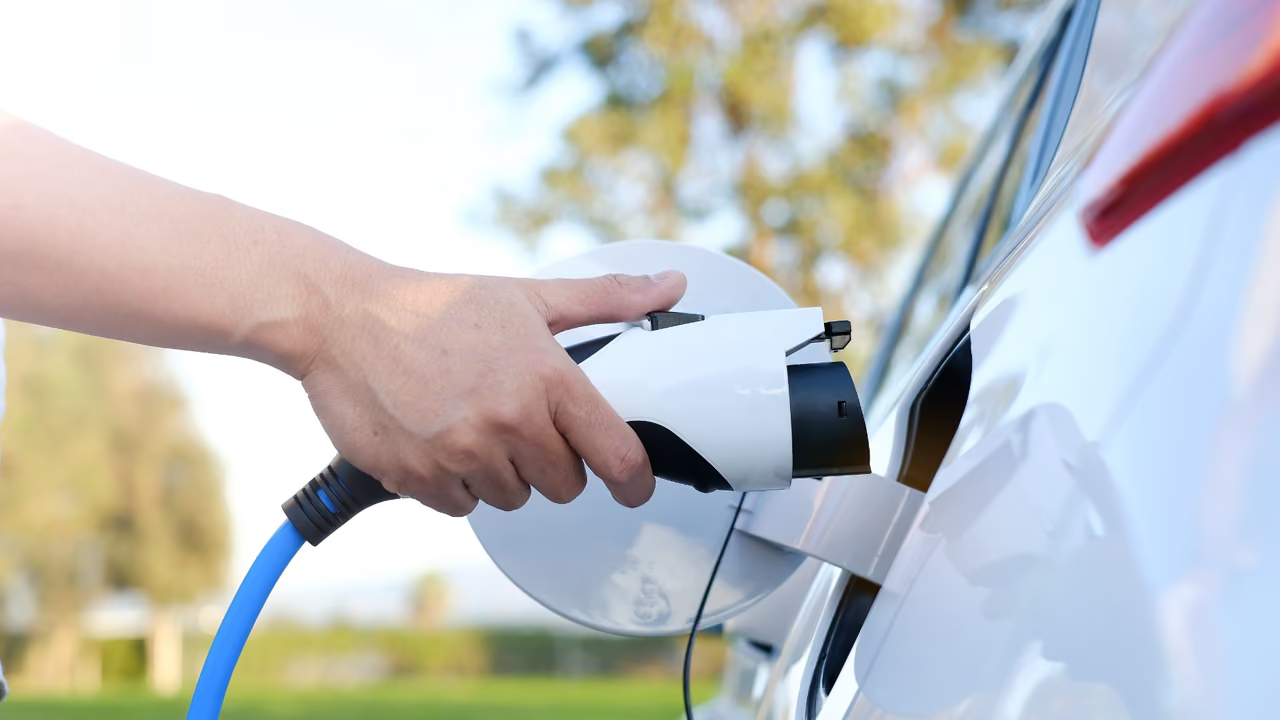
How practical is it to add an electric vehicle (EV) charger to your home’s existing electrical system? As EV adoption accelerates, many homeowners face this question. Integrating EV chargers isn’t as simple as plugging in a gadget—it involves a detailed look at your home’s electrical setup, understanding the challenges, and weighing costs and benefits.
Assessing Residential Electrical Infrastructure for EV Charging
Most homes were not built with EV charging in mind. The average residential electrical system is designed to support everyday appliances like refrigerators, washers, and lighting—not a device that can draw 30 to 50 amps continuously for hours.
First, an electrician needs to evaluate your electrical panel’s capacity. Many older homes have panels rated at 100 amps, while modern homes often have 200 amps or more. If your panel is already near capacity, adding a high-power EV charger might require an upgrade. This can mean replacing the panel entirely, which is disruptive and expensive.
Next, the wiring throughout your home must be examined. EV chargers need dedicated circuits with appropriate gauge wiring to handle high current safely. Sometimes, the existing wiring is insufficient or outdated, requiring rewiring sections of your electrical system.
Another factor is the location of your parking spot relative to the electrical panel. The distance affects the length and cost of wiring needed. Longer runs require thicker wires to prevent voltage drop, increasing installation complexity and cost.
Common Challenges in Home EV Charger Installation
Installing a home EV charger is rarely a straightforward project. Here are some common hurdles:
- Panel Capacity Limits – As mentioned, limited panel capacity can stall installation. Upgrading the panel often means permits, inspections, and potential rewiring throughout your home.
- Permitting and Regulations – Local electrical codes and utility company rules vary widely. Some areas require inspections and special permits for charger installation, adding time and cost.
- Physical Constraints – Older homes may not have convenient or safe locations to install chargers. Walls or garages may lack space or protection from weather, requiring creative solutions.
- Load Management – If your home runs high loads during peak hours, adding an EV charger can trip breakers or overload the system. In some cases, load management systems or smart chargers are needed to balance demand.
- Electricity Supply Type – Homes with single-phase power can support most chargers, but three-phase power, common in some regions, may require specialized equipment or installation techniques.
Cost and Efficiency Considerations for Residential Charging
Costs vary widely based on the factors above. A simple Level 2 charger installation in a home with a modern panel might cost between $500 and $1,200. But if panel upgrades, rewiring, or trenching for cables are needed, the price can climb to several thousand dollars.
Beyond installation, electricity costs and charging efficiency matter. Level 2 chargers run on 240 volts and typically provide 20 to 30 miles of range per hour of charging. Though faster than Level 1 (standard 120-volt outlets), they consume more power at once, potentially increasing your electric bill noticeably.
Smart chargers that schedule charging during off-peak hours can reduce costs. Some utilities offer special EV rates or incentives that make home charging more economical. Considering your driving habits and local electricity pricing should guide charger selection.
Future Trends to Simplify Home EV Charger Integration
As EVs become mainstream, technology and infrastructure are evolving rapidly to ease home charger integration.
- Integrated Energy Management Systems – New home energy systems can monitor overall electricity use and optimize EV charging schedules automatically, avoiding overloads and peak demand charges.
- Vehicle-to-Home (V2H) Technology – Emerging V2H systems allow EVs to feed electricity back into homes during peak usage or outages, turning challenges into opportunities for energy resilience.
- Modular and Wireless Chargers – Advances in charger design aim to reduce installation complexity. Wireless charging pads and modular units can require less wiring and physical modification.
- Grid Upgrades and Smart Grids – Utilities are investing in smarter grids that communicate with home chargers to balance load dynamically, potentially reducing the need for costly home electrical upgrades.
- Standardization and Incentives – Governments and industry groups are pushing for standardized charger specifications and offering incentives that lower installation barriers.